
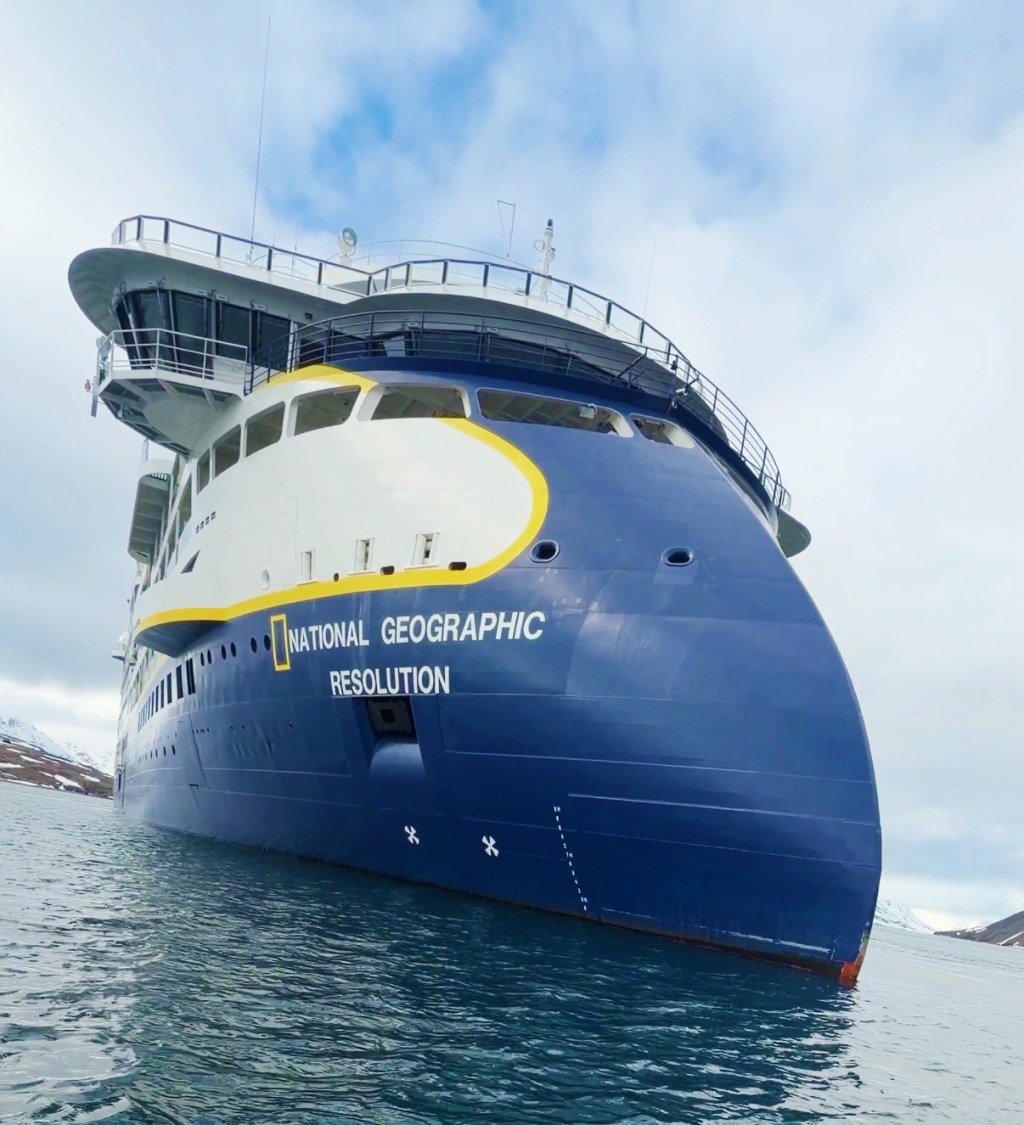
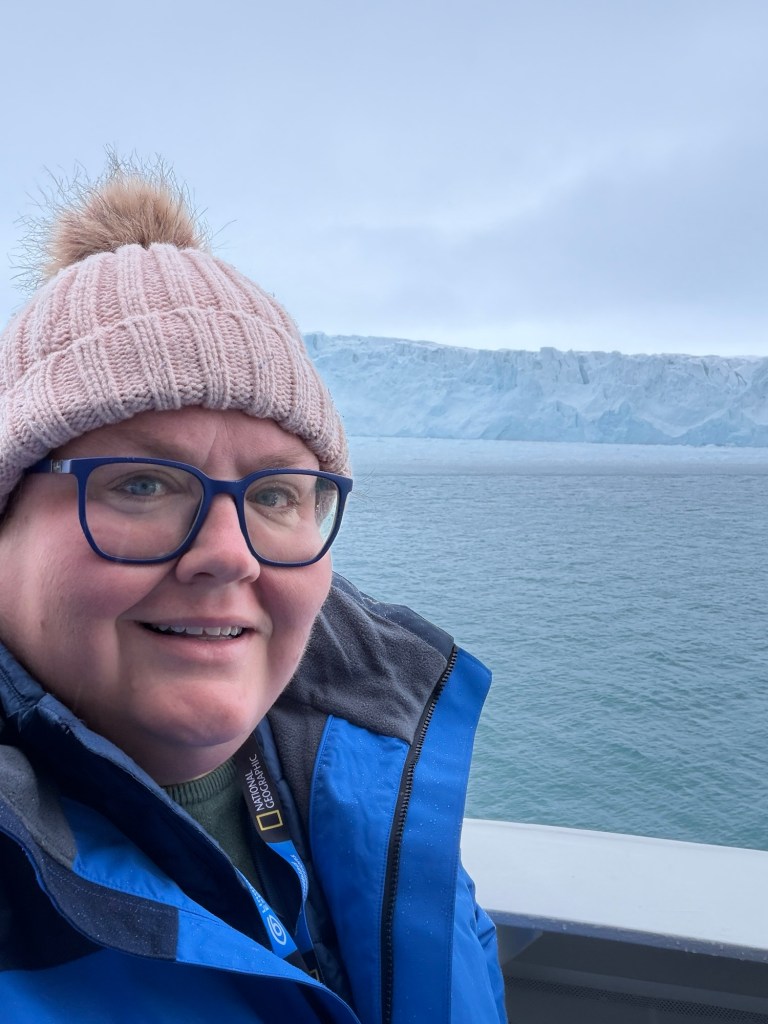
Ad | There are mornings, and then there are mornings that begin behind a balcony door in the Arctic.
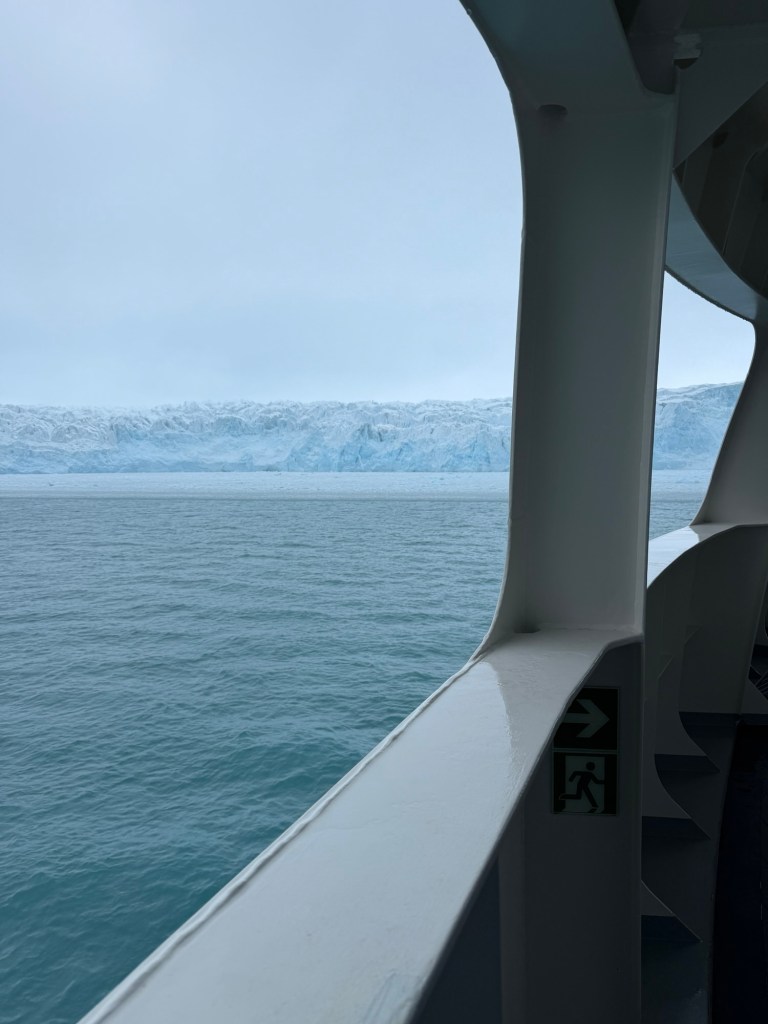
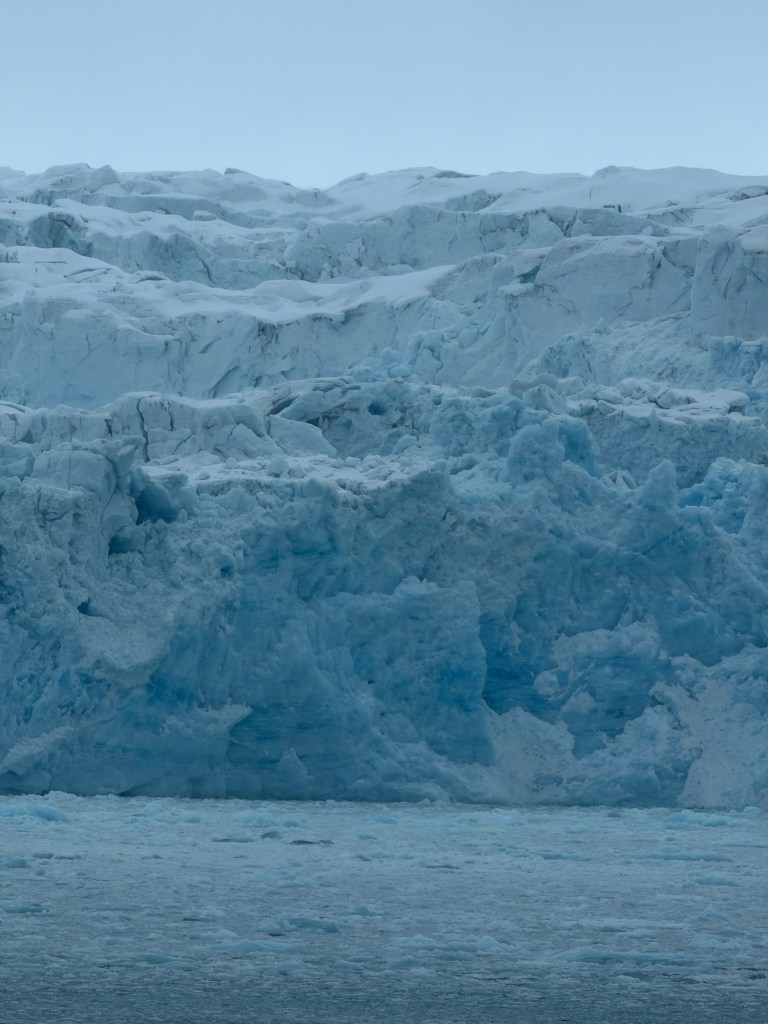
At 7am the curtains slid back to reveal Lilliehöökbreen, one of the largest glaciers in Svalbard. A 22 kilometre long glacier, emerging into the 14 kilometre long Lilliehöökfjorden, a branch of Krossfjorden in Albert I Land on the north western side of Spitsbergen.
It rises like a frozen amphitheatre, somewhere in the region of seven kilometres wide, with calved icebergs drifting silently in the still water. The glacier and fjord are both named after Gustaf Bertil Lilliehöök, a Swedish commander who joined Otto Torell’s 1861 expedition to Spitsbergen. None of that quite prepares you for actually seeing it.
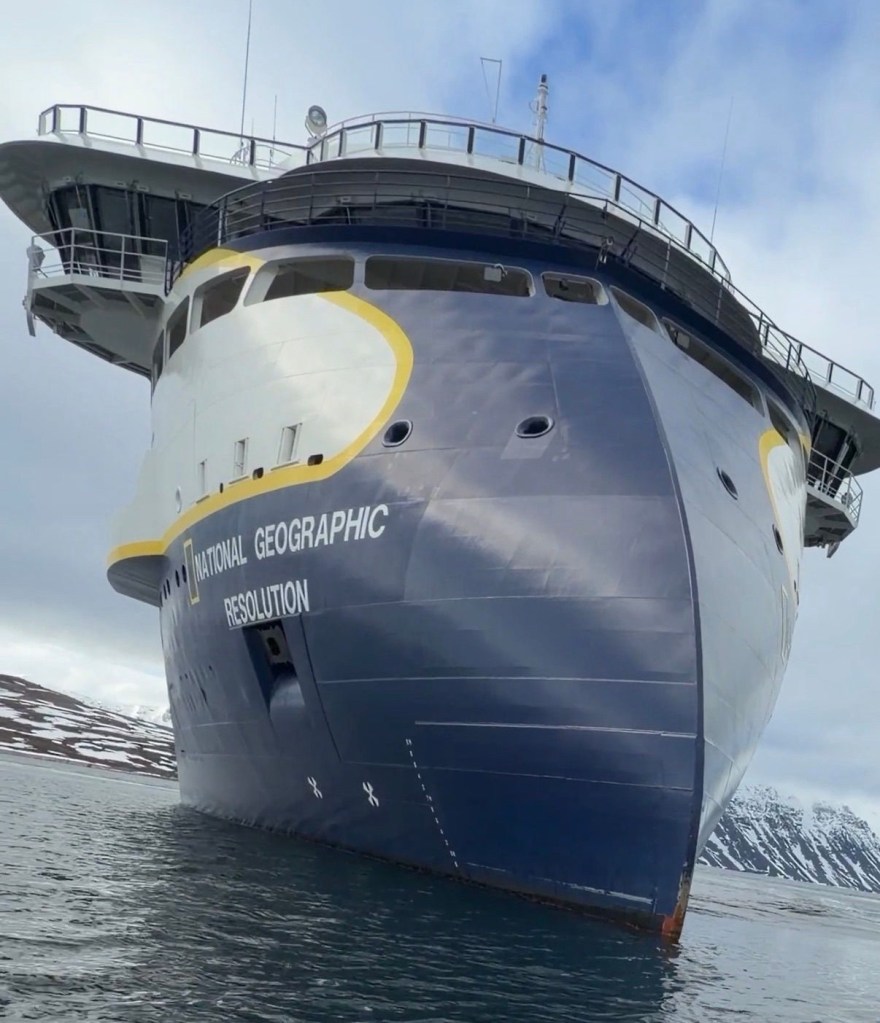
At 0800, the morning announcement came over the PA. Expedition Leader James Hyde shared the plan for the day, the weather, a little context on where we were, and an invitation to breakfast. There are two options aboard National Geographic Resolution: Two Seven Zero ( named for 270° views) on Deck 5, the main restaurant or Tupaia up on Deck 8 inside The Den observation lounge, for a lighter early riser breakfast.
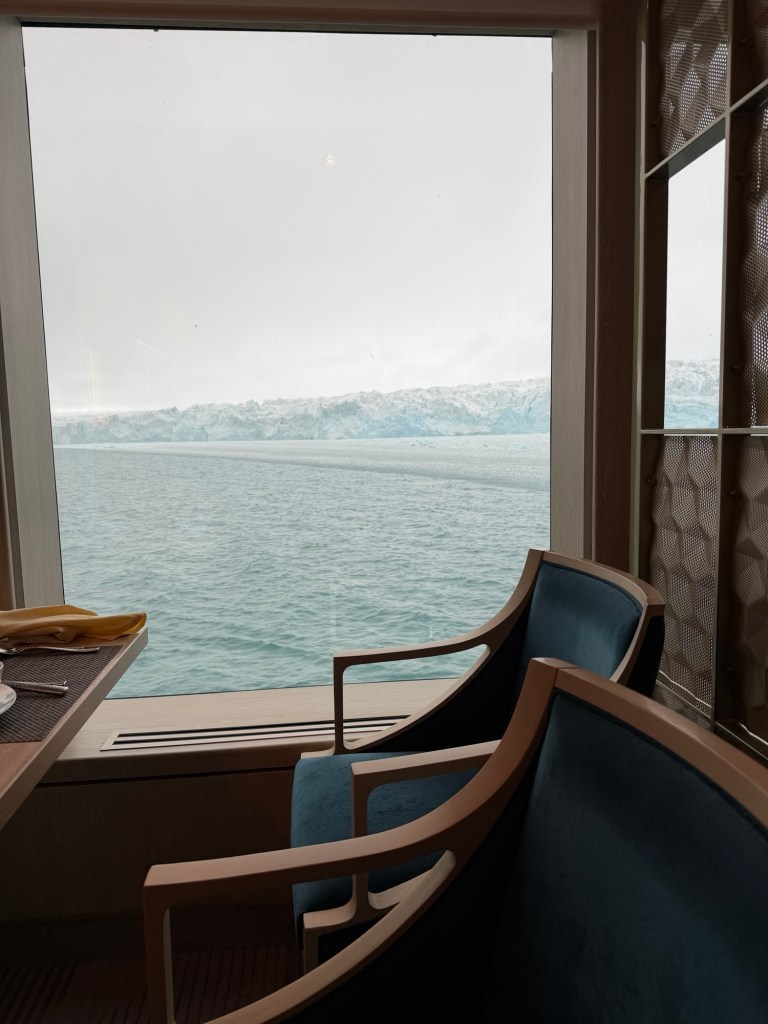
We chose two seven zero. While we ate, Captain Martin Graser and his team began turning the ship. Because two seven zero sits at the stern, that slow 180 degree spin meant breakfast was eaten with the glacier in full view through the windows. A quiet, jaw on the floor sort of moment.
There was also an opportunity this morning to swap any gear you had hired if anything was not quite the right fit.
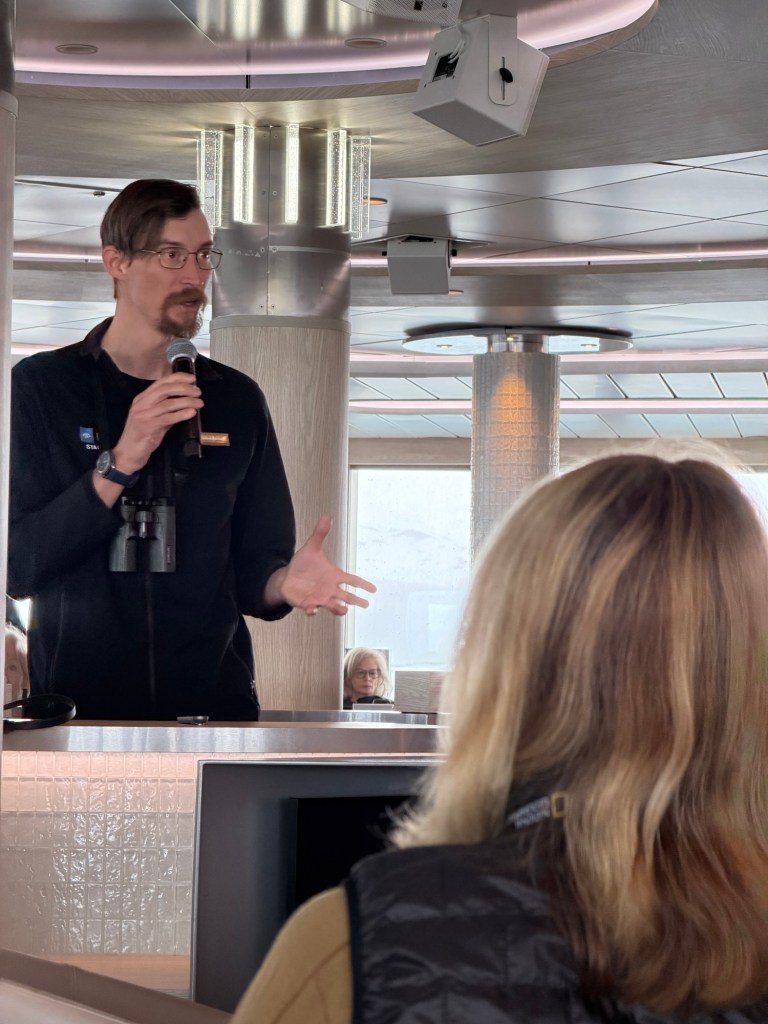
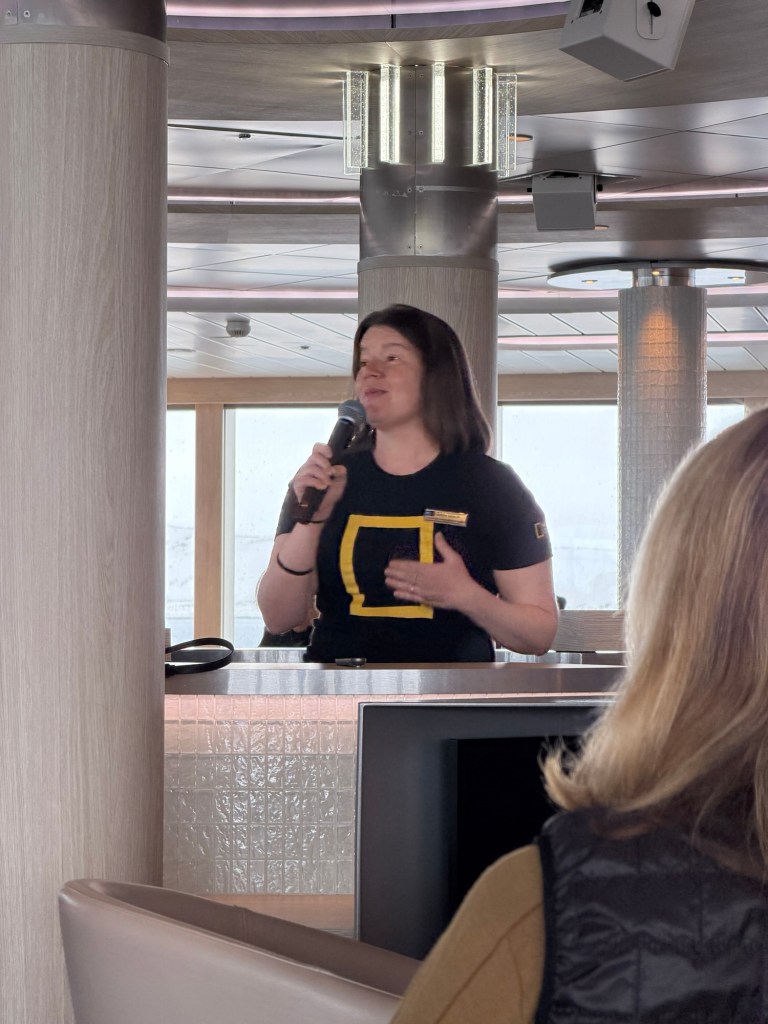
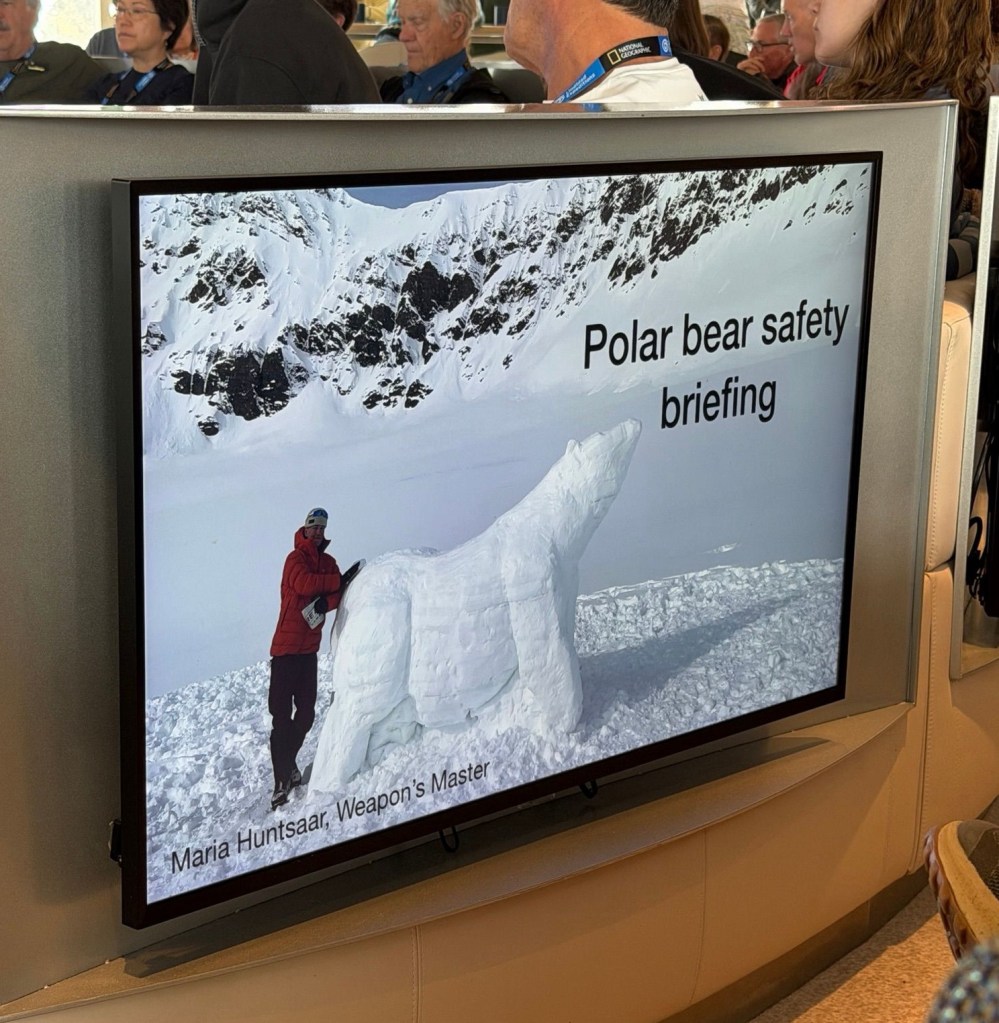
Soon after breakfast we gathered in the Ice Lounge for the morning briefing. With 39 screens, there genuinely is not a bad seat in the room. James introduced his expedition team, and we sat through the AECO safety briefing followed by the Zodiac and polar bear safety briefings. Essential listening, and clearly delivered.
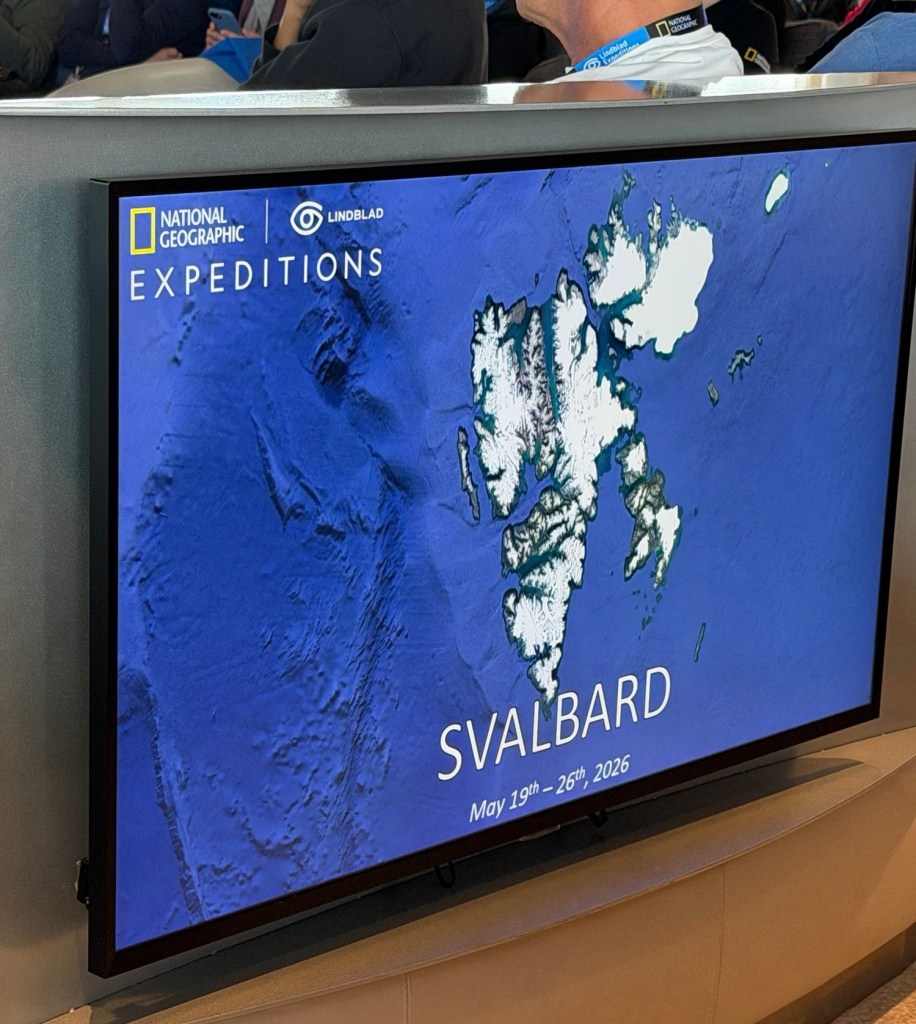
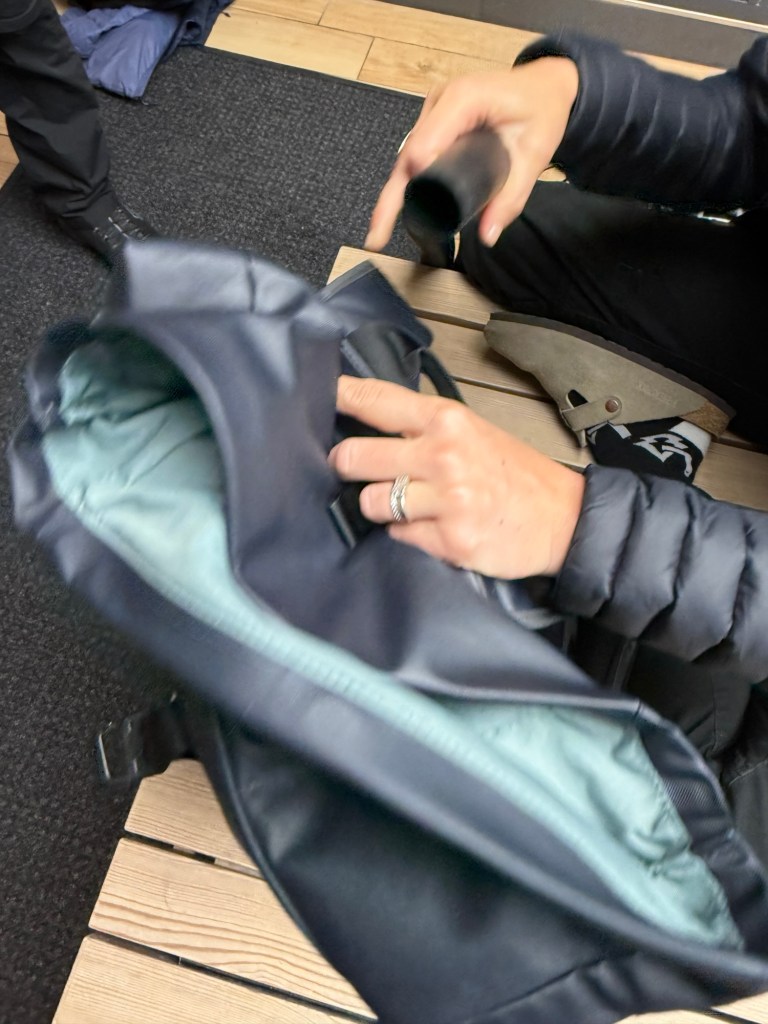
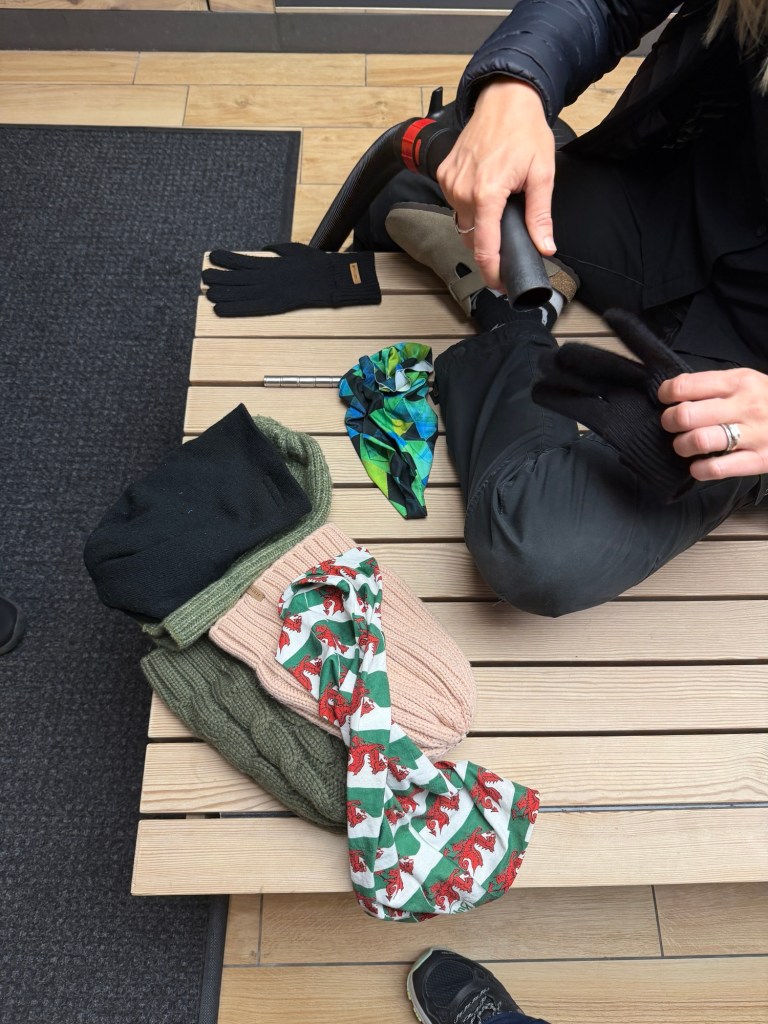
Next came the mandatory biosecurity check in Basecamp. All clothing and kit not brand new had to be brought down to be thoroughly cleaned and vacuumed. The operation was so well organised, with guests called down by deck number to keep things flowing.
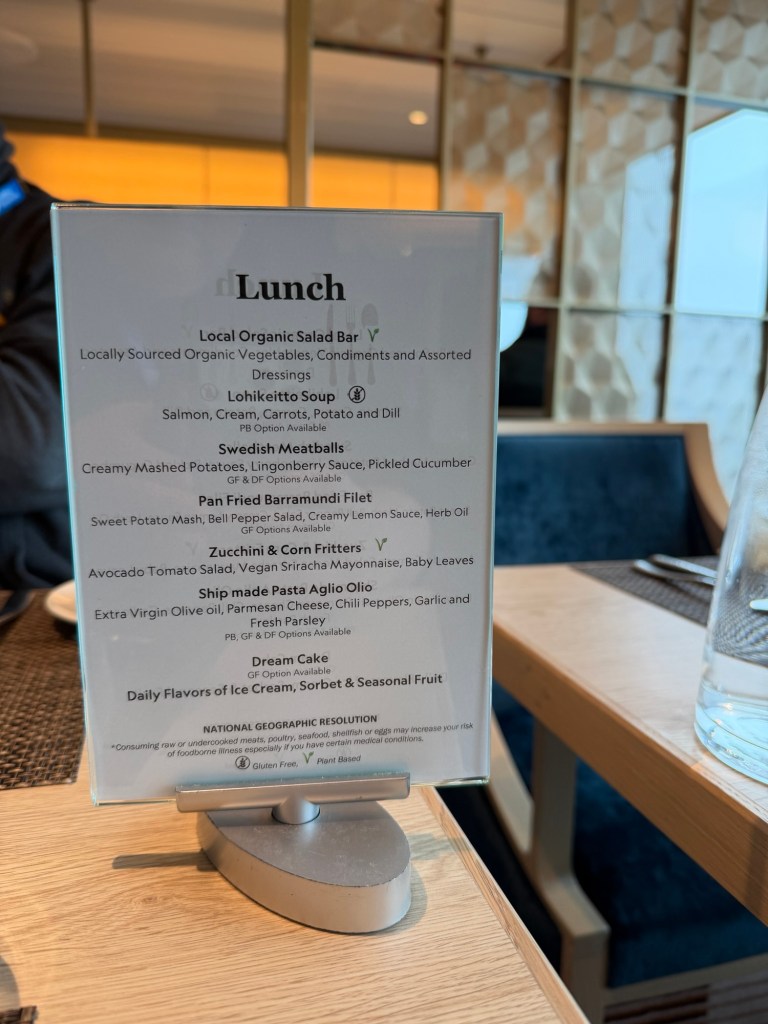
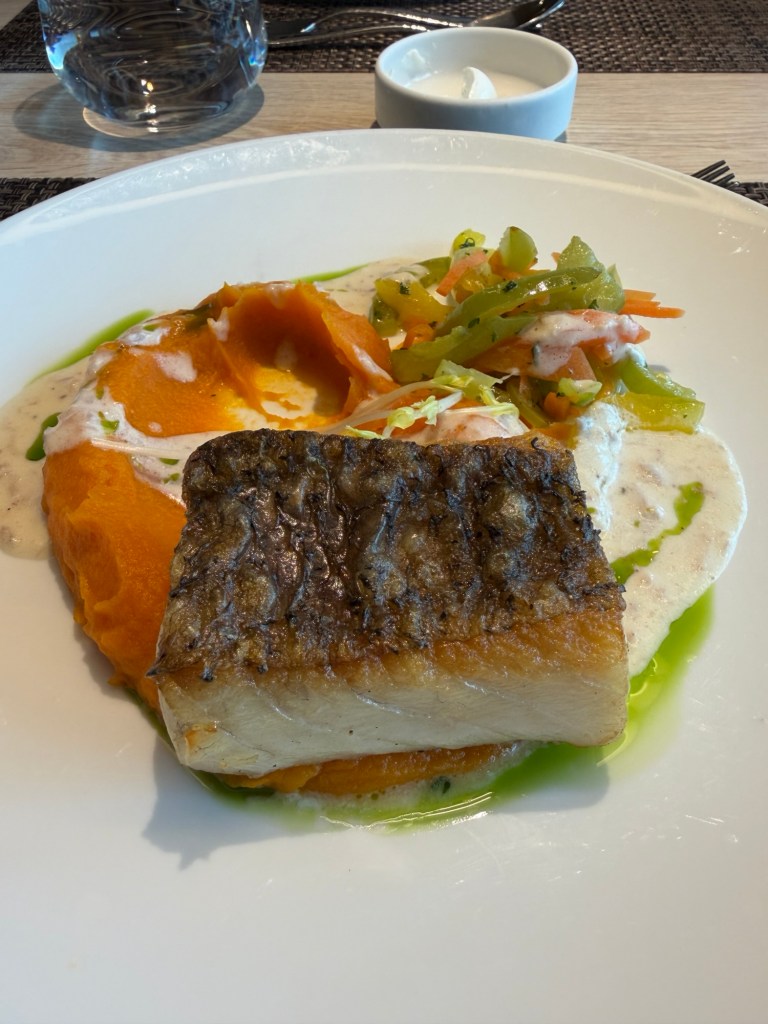
Lunch followed, back in two seven zero for us. The menu offers plenty of choice and dietary needs appear extremely well catered for. There are three or four standalone tables for two, but my strong recommendation is to share a table. Everyone we have met so far has been wonderful company with fascinating travel stories. The mix of guests skews mostly American, with a good number of Canadians, a few Australians, some Spanish guests, and a handful of fellow Brits. I’m sure there are more nationalities we have yet to meet!
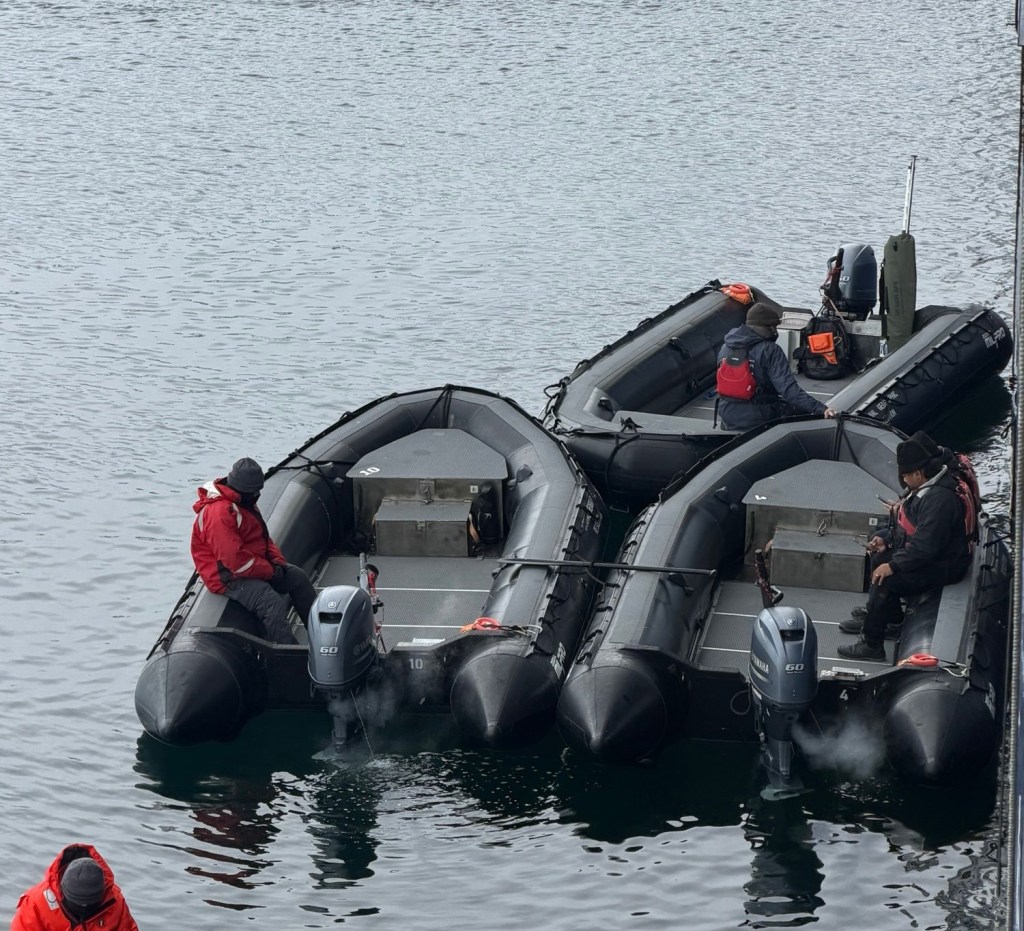
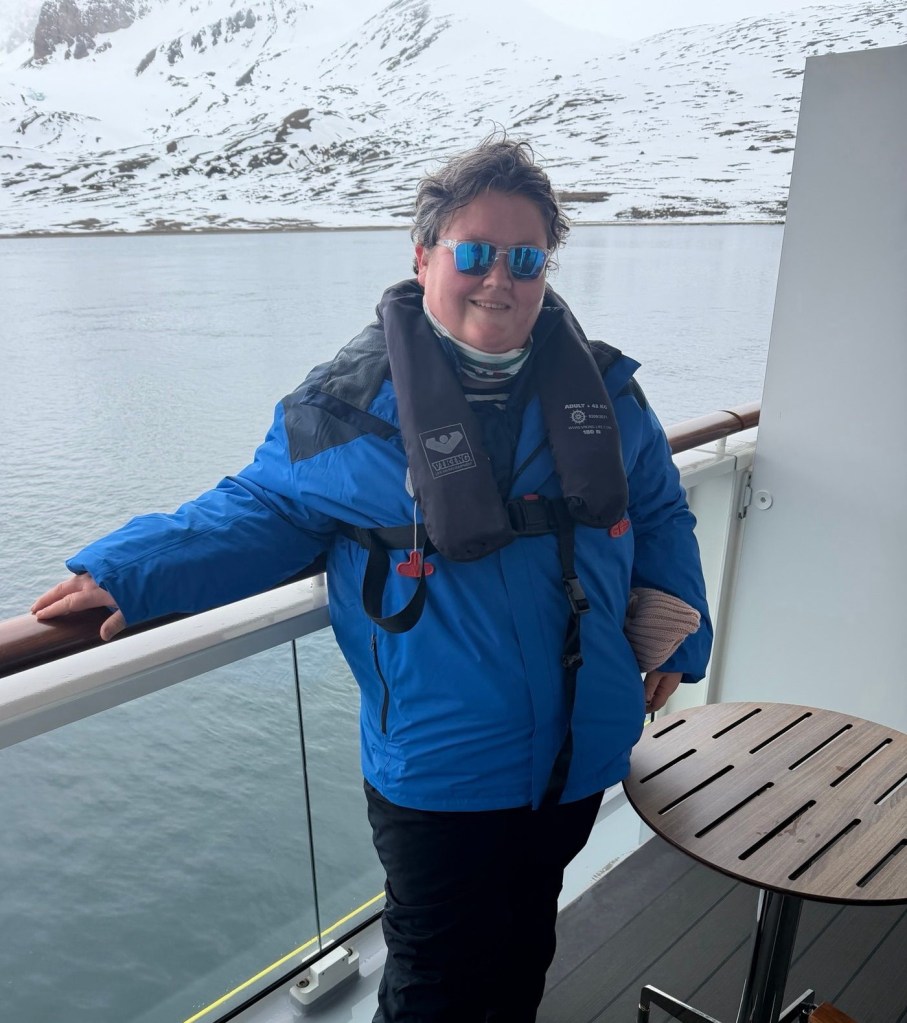
After lunch our deck was called first for the shore landing. We changed into our cold weather gear and headed down to Basecamp when invited via the PA. We borrowed walking poles and boarded the Zodiac as instructed. Getting on is straightforward, the Zodiac feels very secure, and there are crew members on hand at every stage. Follow their lead, accept the help, and you will be absolutely fine.
A wet landing was demonstrated on shore, and then we set off on a hike at Fancullipynten.
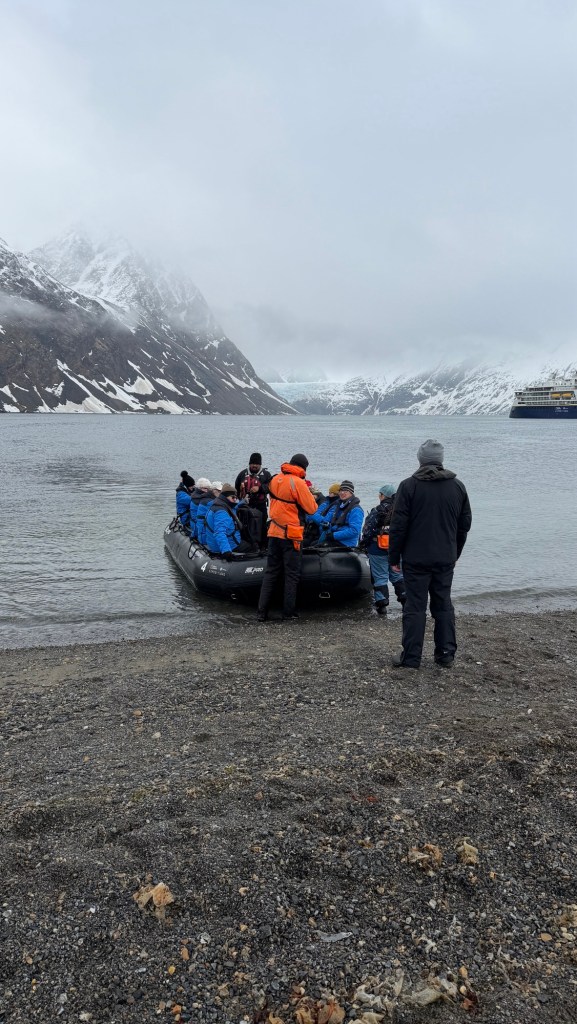
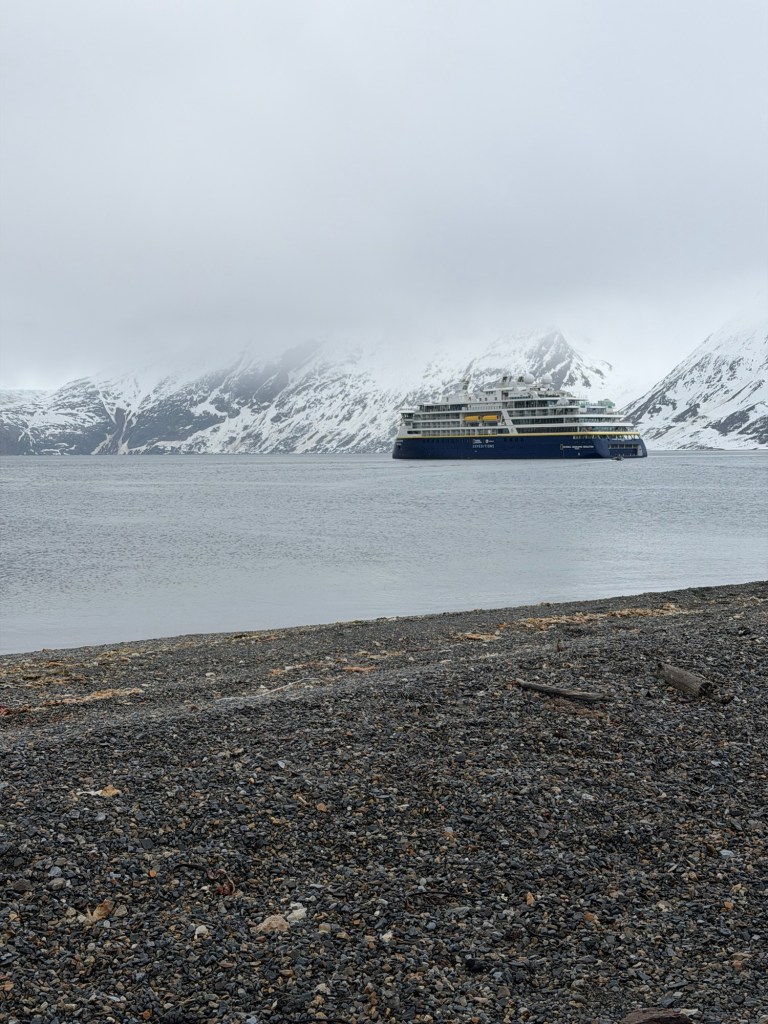
There are three options: strenuous, moderate, or casual. We chose casual, described to us as “more talk, less walk”, whereas strenuous was “more walk, less talk”. Having travelled all this way with such an extraordinary team of National Geographic naturalists, a route march without their insights felt like a missed opportunity.
Dennis took our group of around 14 on the casual hike. Underfoot was a mixture of shingle, tundra, and patches of snow. He pointed out bird and fish skeletons, reindeer and goose droppings, and an astonishing variety of lichen, one of his many specialities. We stayed close together throughout as a precaution, with Dennis carrying flares and a rifle as a very last resort should a polar bear appear. The whole walk was relaxed, fascinating, and quietly thrilling.
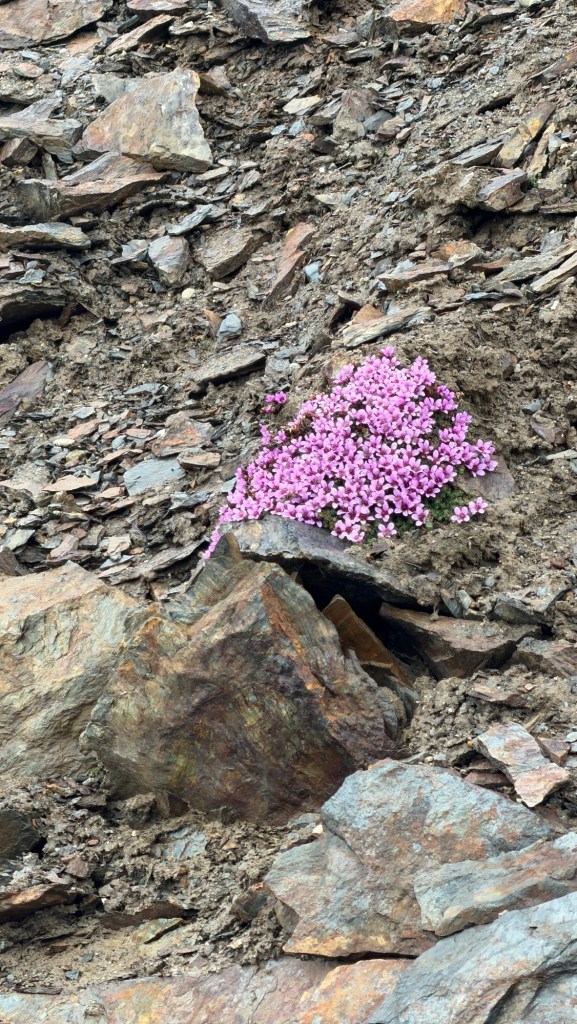
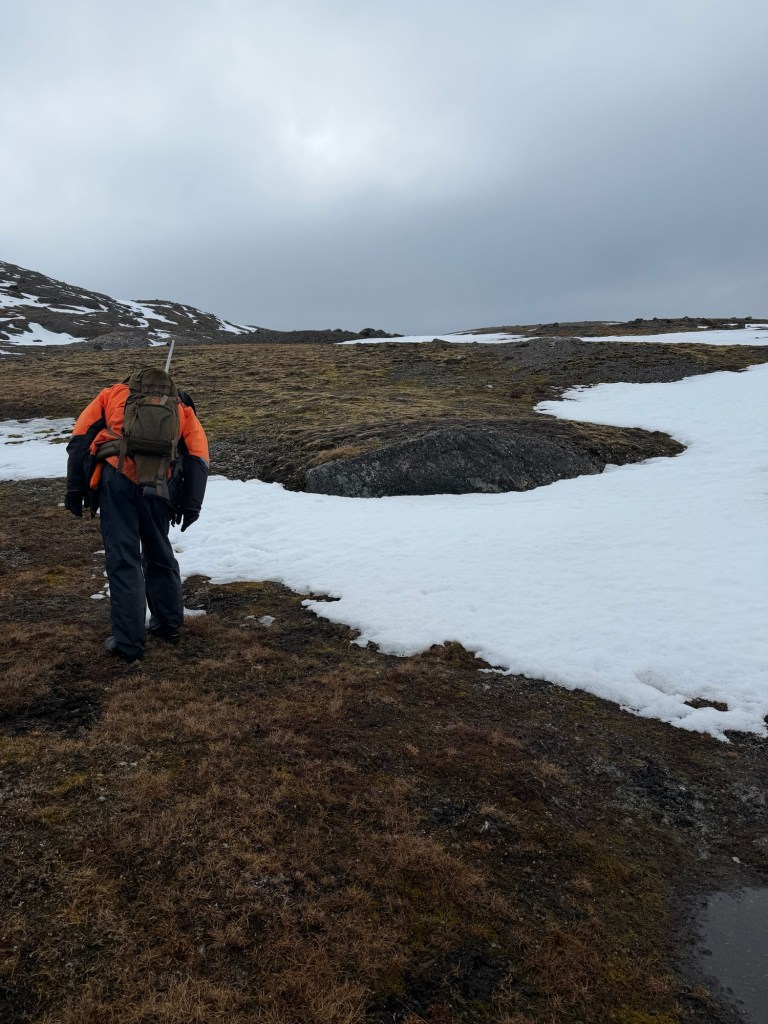
We were ashore for around 90 minutes before heading back to the ship so the second half of the guests could land. Only 100 guests can be ashore at any one time, and the total number of guests aboard is 130.
Back at the ship there was a biosecurity boot wash, followed by a walk through wash to neutralise any microbes and prevent cross contamination at future landing sites. Boots were left in our equipment lockers in Basecamp, and we headed back to the cabin to change. The ship was beautifully warm on our return, and the crew greeted us with hot drinks and cakes on the way back to our cabins. A lovely touch.
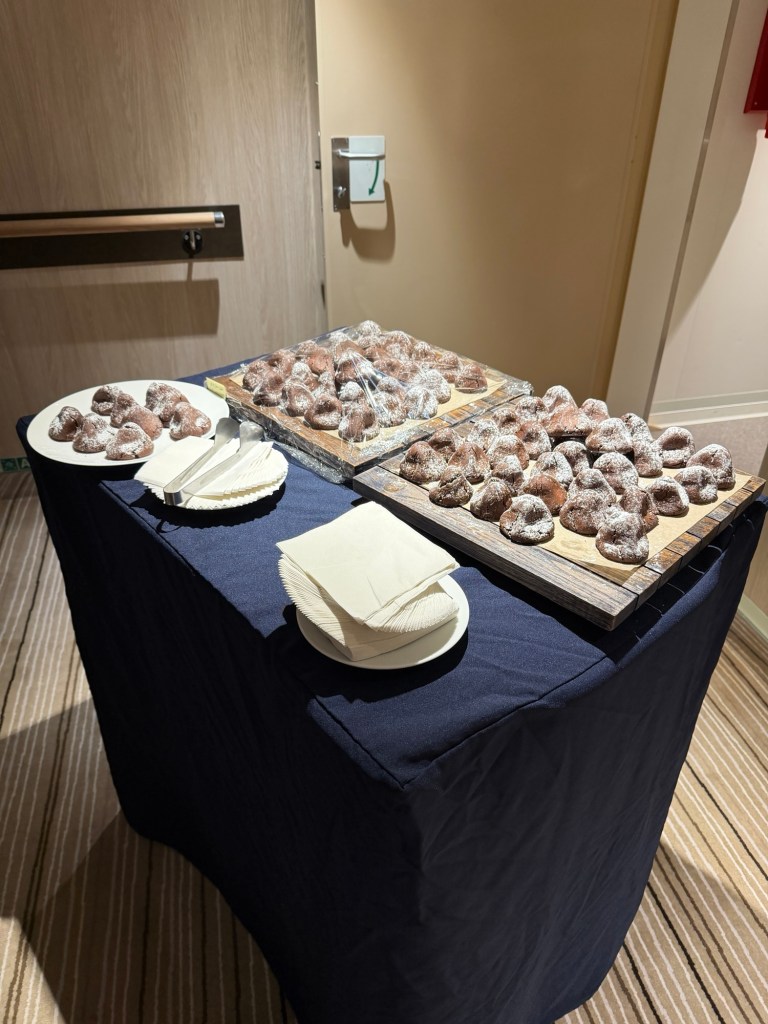
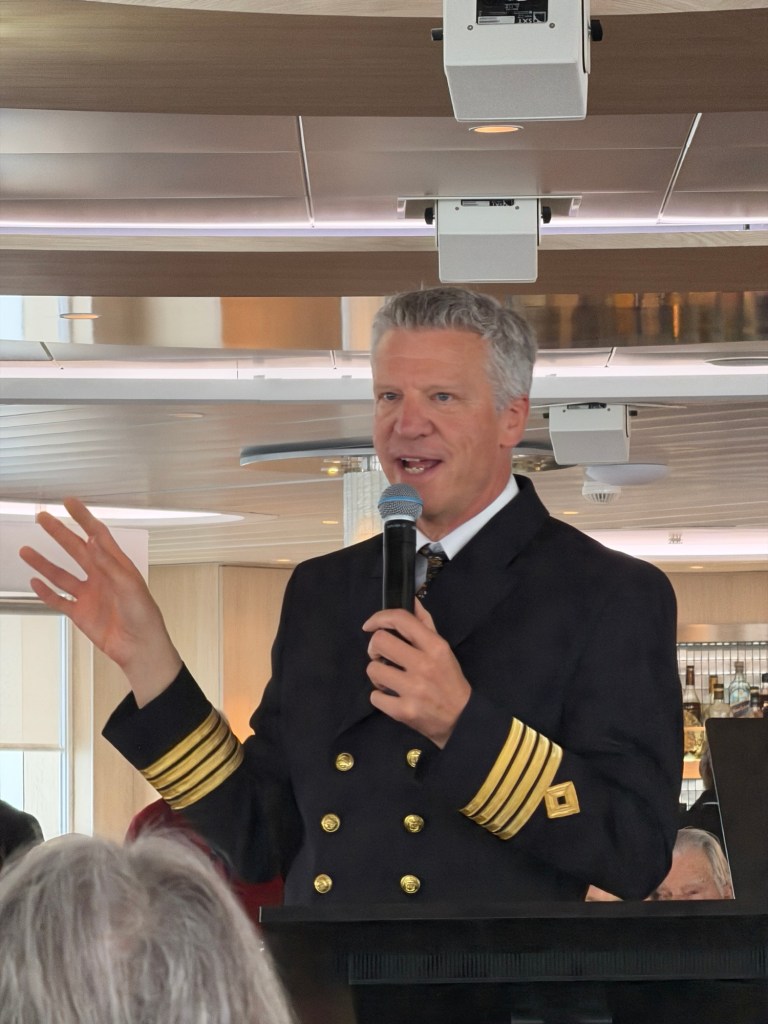
At 1830 the Captain hosted a cocktail party in the Ice Lounge, introducing us to his crew, with canapés circulating. James then led the daily recap and a brief for tomorrow.

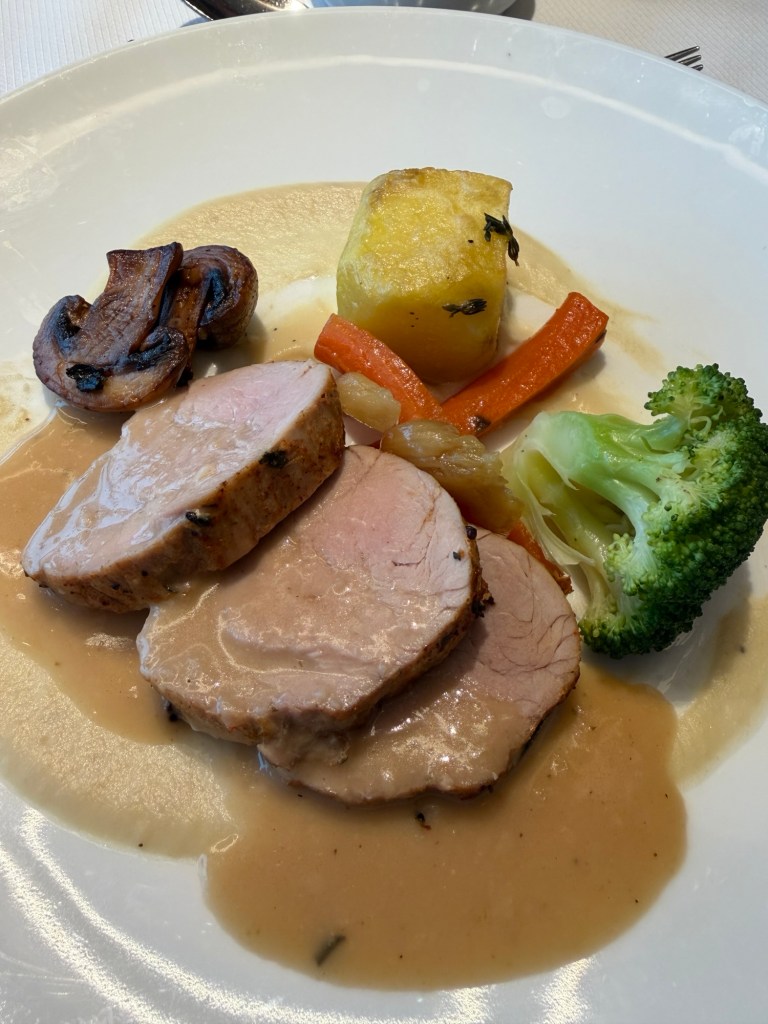
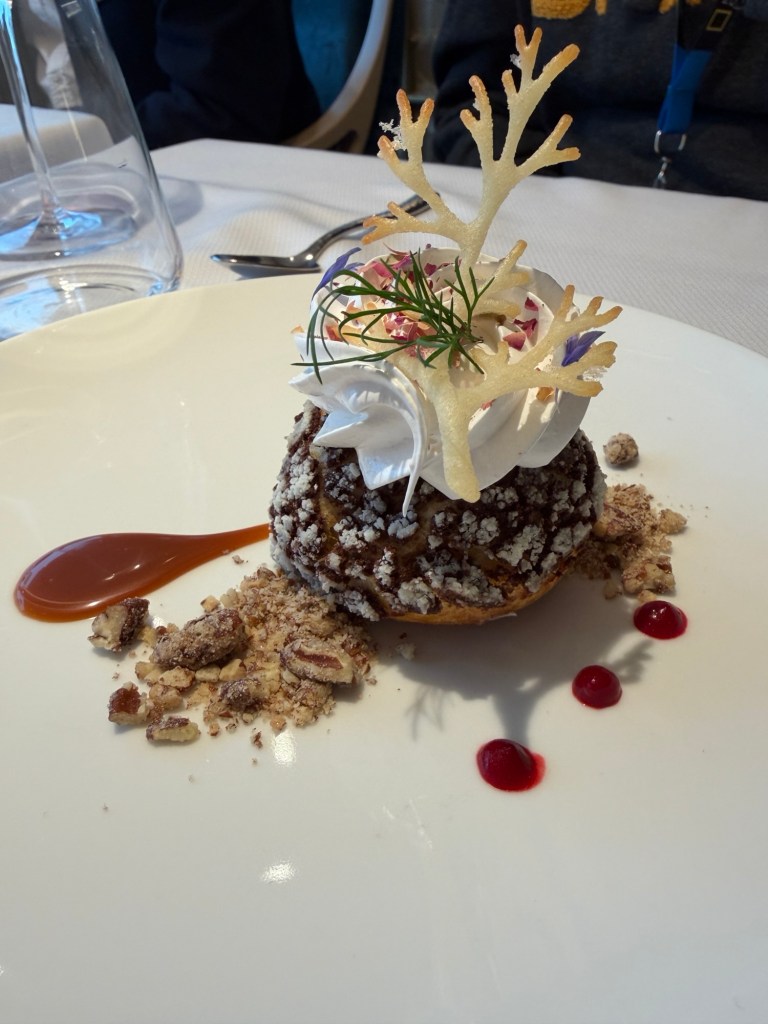
Dinner at 1930 was back in two seven zero, where we shared a table with a lovely American couple and Erland, one of the National Geographic naturalists aboard. Wonderful food and even better conversation.
Afterwards we wandered up to the open decks and onto the open Bridge. There is something genuinely surreal about sitting on a sofa watching the watch work. The Bridge is open 24/7, and it is one of my favourite spaces on board.
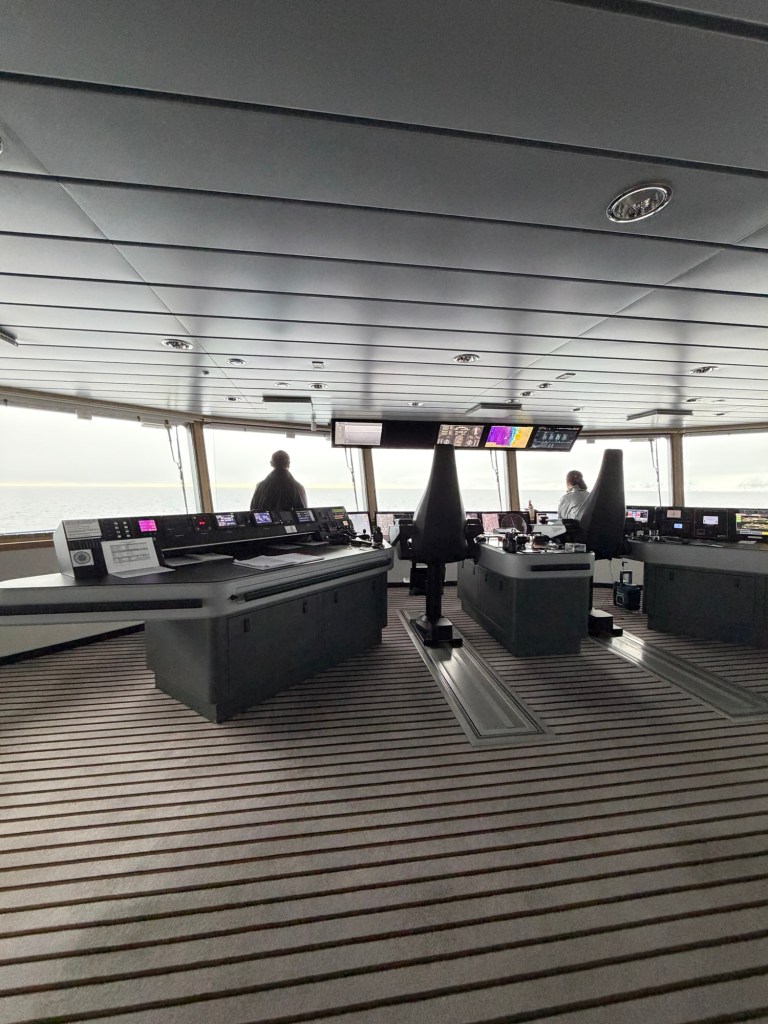
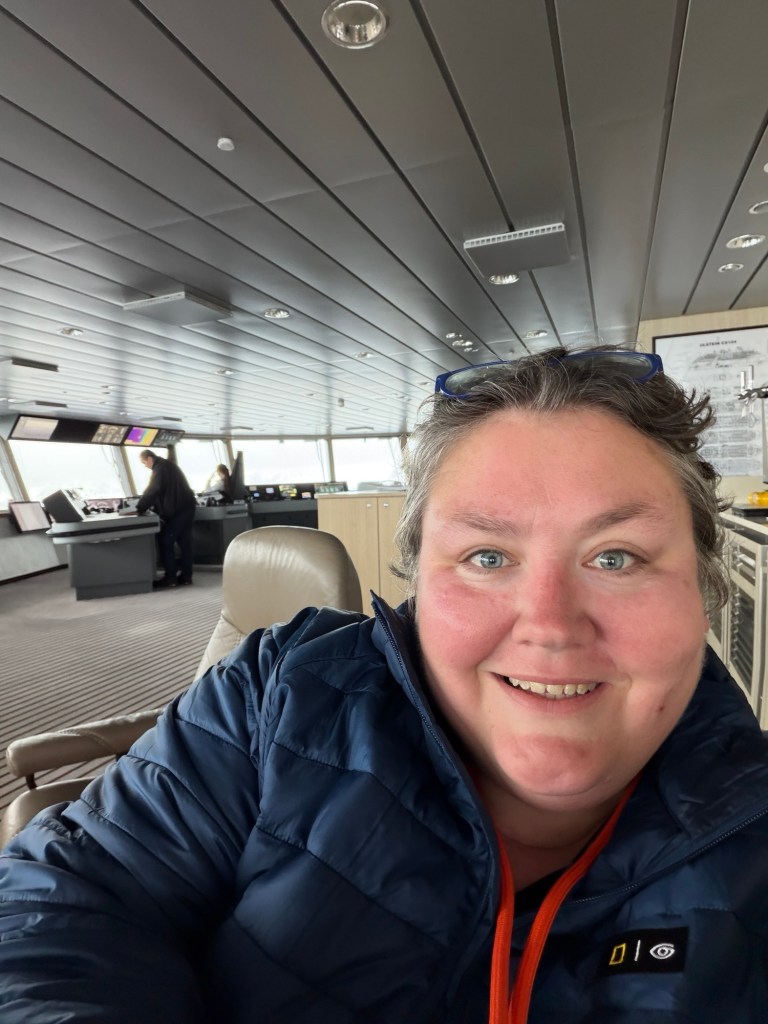
Then it was time for bed. The Captain has hinted we will be sailing through ice tomorrow night if conditions allow, with hopes of spotting polar bears. Everything crossed.
 Lois : 𝙽𝚘 𝙲𝚛𝚞𝚒𝚜𝚎 𝙲𝚘𝚗𝚝𝚛𝚘𝚕
Leave a comment